
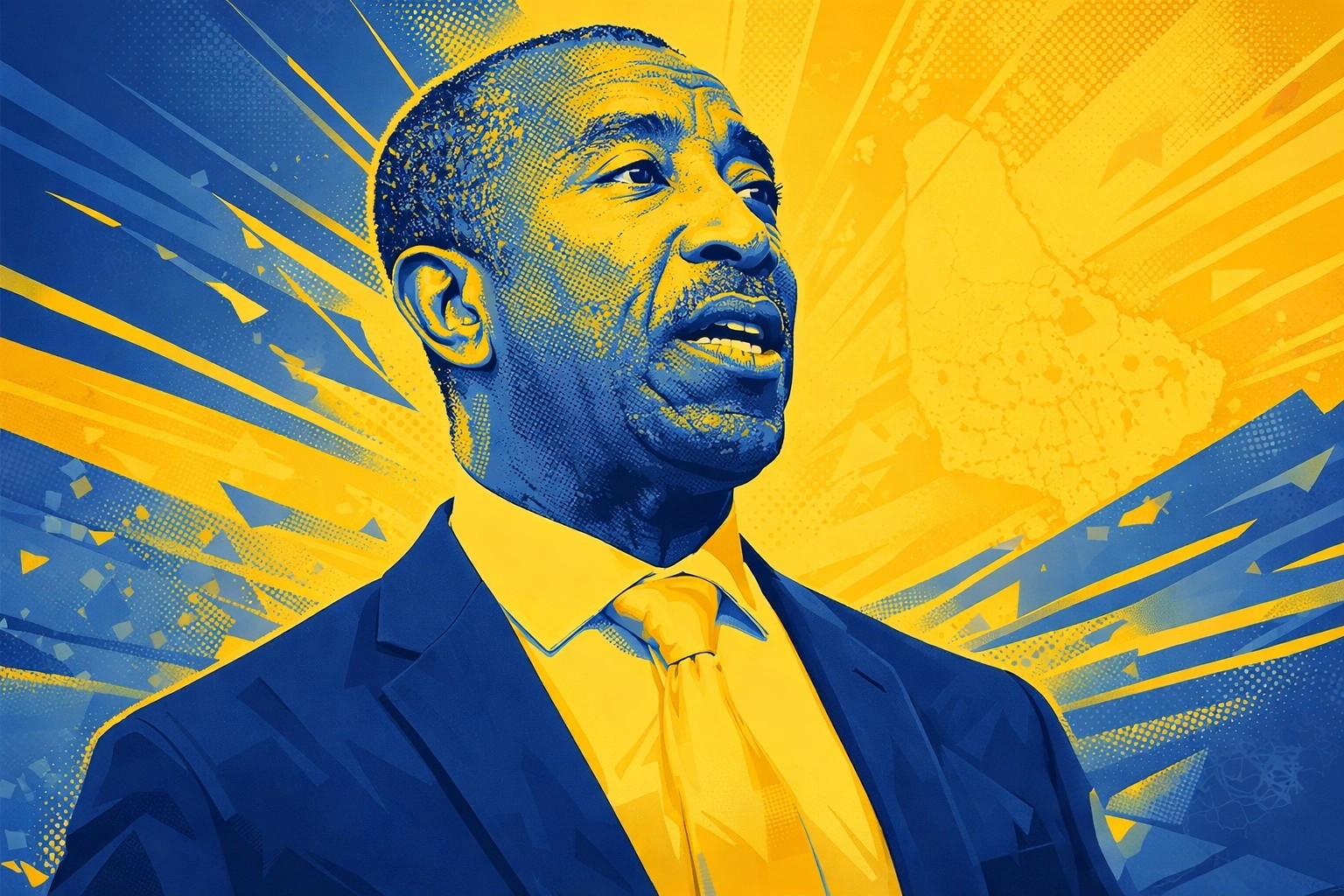
How Ralph Thorne Sparked a Democratic Labour Party Revival — Even Without Winning a Seat
The numbers told one story.
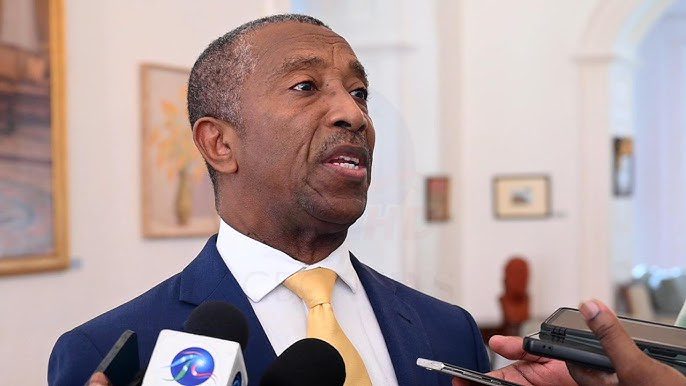
The Democratic Labour Party’s electoral defeat — another complete shutout in the 2026 general election — looked devastating on paper. Ralph Thorne, the party’s leader, didn’t secure a single seat. And yet, what the scoreboard doesn’t capture is this:
Sometimes a loss plants the seeds for something bigger.
When Losing Becomes a Starting Point
Let’s be clear: The Barbados Labour Party’s clean sweep of all 30 seats represents a historic mandate. Prime Minister Mia Mottley’s government earned overwhelming public confidence. That’s democracy at work.
But democracy also needs opposition — not as decoration, but as a structural requirement for accountability, challenge, and voice.
When one party holds every seat in Parliament, governance shifts. Questions that should be asked publicly move behind closed doors. Oversight becomes internal instead of across the aisle. And this is where Ralph Thorne’s story becomes relevant — not despite his loss, but because of it.
The Long Game of Opposition Politics
Thorne’s political journey mirrors the complexity of Barbadian politics itself. Elected as a BLP member, he crossed the floor to join the DLP in 2024. That move sparked debate — opportunism to some, conviction to others. But motivations aside, what matters now is what came next.
The DLP is not dead.
It is in reconstruction mode.
And every political revival in history starts with someone willing to rebuild from rubble.
Consider what the DLP achieved during this cycle — achievements that rarely make headlines but always matter in the long game:
- Articulating an alternative vision when many believed none existed.
- Offering candidates in every constituency, including a slate of first‑time contenders stepping into politics for the first time — a remarkable injection of new civic energy.
- Challenging the governing narrative even when polls predicted a landslide.
- Re‑establishing party presence through community meetings, sector consultations, and candidate outreach.
Are these winning strategies? Not yet.
Are they foundational? Absolutely.

What Barbados Needs From Its Opposition Now
Here’s the uncomfortable truth for Bajans at home and abroad, investors, civic watchers, and anyone concerned about governance:
A 30–0 Parliament reshapes democracy.
Without an elected opposition:
- Parliamentary debate becomes an internal conversation.
- Media becomes the primary watchdog by default.
- Public trust relies heavily on the government’s own transparency and self-regulation.
This is not about whether the current administration is good or bad.
It is about democratic guardrails — the institutional scaffolding that prevents any democracy from becoming internally unbalanced.
Opposition is not a luxury.
It is a democratic necessity.

The Revival That Actually Matters
So where is the revival your headline promises?
It isn’t in seat counts.
It is in what has changed within the DLP that did not exist two years ago.
What Thorne Actually Achieved:
- He restored public visibility to a party many had written off as dormant.
- He mobilized a full roster of candidates — something the DLP had struggled to achieve in prior cycles.
- He re‑engaged young professionals who had never considered political life until now.
- He rebuilt internal unity, shifting the DLP from fragmentation toward cohesion.
These gains don’t win elections overnight.
They build capacity — the very infrastructure required for a comeback.
How the DLP Must Build from Here
Thorne’s legacy will depend on what the party does next. Revival is a process, not a moment.
1. Learning From Defeat
Not excuses. Not blame.
Honest assessment of what Bajans want — and why the party has struggled to speak to those needs.
2. Building Beyond Elections
Opposition cannot vanish between cycles.
Community presence must become part of everyday political life.
Town halls. Policy briefs. Public advocacy. Visible leadership.
3. Attracting New Blood
The 2026 slate was a promising start.
Now the DLP needs to transform that energy into long‑term political talent: young thinkers, activists, professionals, and organizers willing to shape the next decade.
4. Redefining Opposition in a 30–0 Era
Without parliamentary seats, opposition must live:
- in media,
- in policy development,
- in community mobilization,
- and in national dialogue.
Be the conscience of the country — even without a seat in the House.
Why This Matters Beyond Politics
For investors, partners, and diaspora stakeholders, a strong opposition is not a political preference — it is a stability signal.
Healthy democracies require competition, accountability, and institutional balance.
When one party dominates completely, opposition becomes even more important. It preserves predictability and keeps governance aligned with public interest rather than internal party culture.
The DLP’s revival — should it continue — strengthens Barbados’ long-term democratic resilience.
What Revival Really Looks Like
Political revival is rarely explosive.
It unfolds slowly:
- Consistent presence
- Credible alternatives
- Leadership that earns respect
- Patience to rebuild trust
- A party that keeps showing up — even in defeat
Ralph Thorne’s contribution won’t be measured by the 2026 results.
It will be measured by whether the DLP still matters in 2030.
Democracy requires options.
Barbados has given the BLP a massive mandate — and that mandate deserves respect.
But democracy also requires the possibility of a different choice.
Thorne’s willingness to lead the DLP through historic defeat keeps that possibility alive.
That’s the revival.
Not in votes won — but in democracy preserved.